|
|
|
• Crevice • Pitting • Intergranular • Weld Decay • Knife-Line Attack • Exfoliation • MIC • SCC • HB-HE-HIC • Fatigue • Stray Current • Index |
|
Different Types of
Corrosion
|
|
Intergranular Corrosion: Weld Decay |
|
|
Recognition of Weld Decay |
|
|
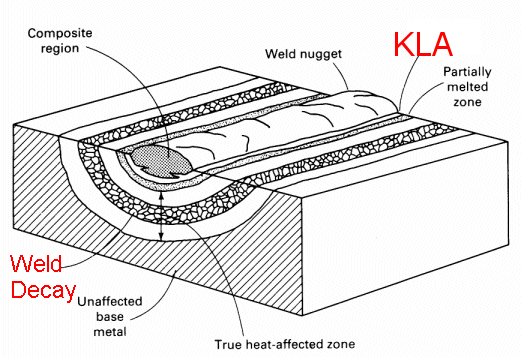
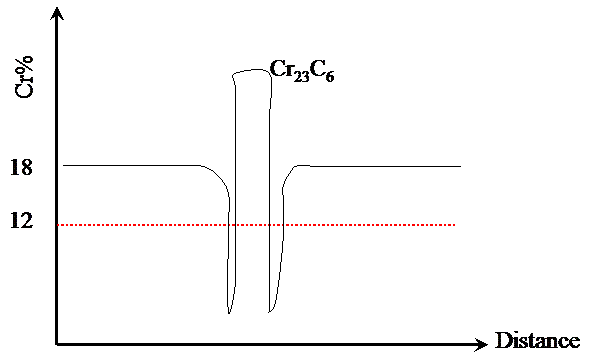
What is weld decay? Weld decay is a form of intergranular corrosion, usually of stainless steels or certain nickel-base alloys, that occurs as the result of sensitization in the heat-affected zone during the welding operation.
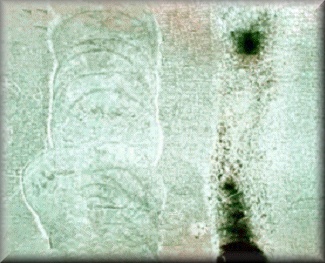
The corrosive attack is restricted to the heat affected zone (HAZ). Positive identification of this type of corrosion usually requires microstructure examination under a microscopy although sometimes it is possible to visually recognize weld decay if parallel lines are already formed in the heat affected zone along the weld (see photo below).
|
|
|
Mechanisms of Weld Decay |
|
|
|
|
|
Prevention of Weld Decay |
|
|
How to prevent weld decay? Weld decay can be prevented through:
|
|
|
For more details on Weld
Decay |
|
Where can I learn more about
weld decay? More details on weld decay and
weldment corrosion are included in the following
corrosion courses which you can take as
in-house training courses,
course-on-demand, online
courses or distance
learning courses:
If you require corrosion expert witness or corrosion consulting service on weld decay, our NACE certified Corrosion Specialist is able to help. Contact us for a quote. |
|
| Home | Subject Index | Contact Us | PDF |
Copyright © 1995-2024. All rights reserved. |